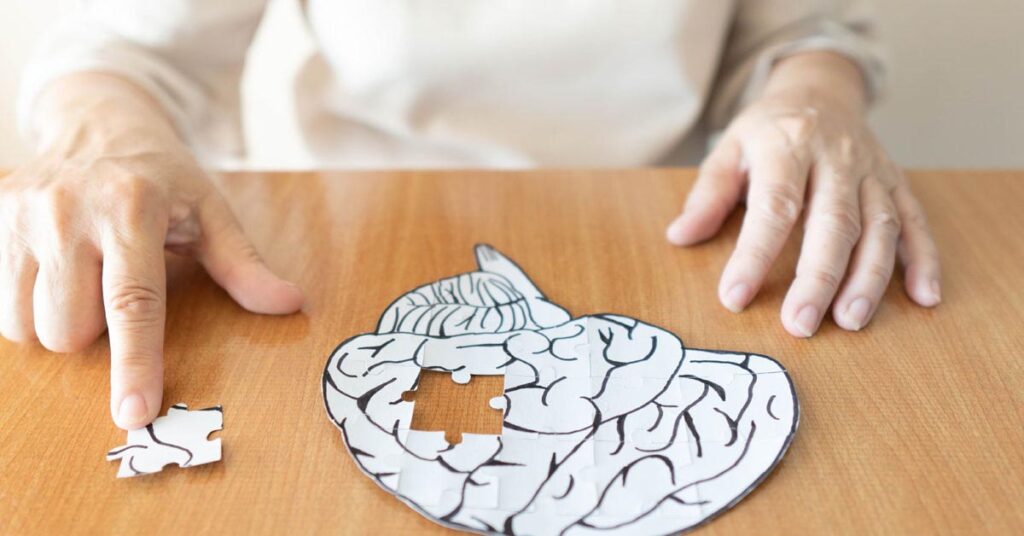
It may feel tougher to stay sharp and retain information with age, and you’re not imagining it. As we get older, cognitive changes naturally emerge. Some studies suggest that memory decline can begin as early as age 30. Over time, slower information processing may create a kind of bottleneck: new information struggles to reach short-term memory, and fewer bits make it through into long-term storage.
How to Sharpen Focus and Attention
The good news: you have more control over your mental clarity than you might think. Here are four practical strategies to help you minimize distractions and strengthen your ability to zero in on what matters:
Be fully present in conversations When someone is speaking, look them in the eye and listen with intention. If you miss something, don’t hesitate to politely ask them to repeat or slow down.
Rephrase for clarity and retention After you hear something, restate it in your own words to confirm you understood, and to anchor the information in your memory. For example, if someone says, “We could catch the movie either at Loews Theater at 7:30 or at Paramount at 7:50,” you might respond, “So, do you prefer 7:30 at Loews or 7:50 at Paramount?”
Choose quieter settings for important chats If you find conversations challenging when distracted, suggest meeting in a calm, low-noise setting, like a home or a quiet café. If you’re in a busier place, position yourself wisely: sit facing your conversational partner and avoid having your back to a bustling room. This reduces visual distractions and helps keep your focus on the speaker.
Work on one task at a time Multitasking splits your mental energy and makes it easier for distractions to sneak in. Instead, try to concentrate on a single task without interruption. If someone interrupts you, ask them to wait until you finish. Let voicemail handle phone calls until you’ve completed your current task, rather than switching away to answer immediately.