


As we age, it’s natural to experience occasional memory lapses. However, distinguishing between normal age-related forgetfulness and cognitive decline or dementia can be challenging. For seniors and their family caregivers, understanding when to be concerned and taking appropriate action is crucial for maintaining quality of life. This article aims to provide valuable insights into recognizing […]
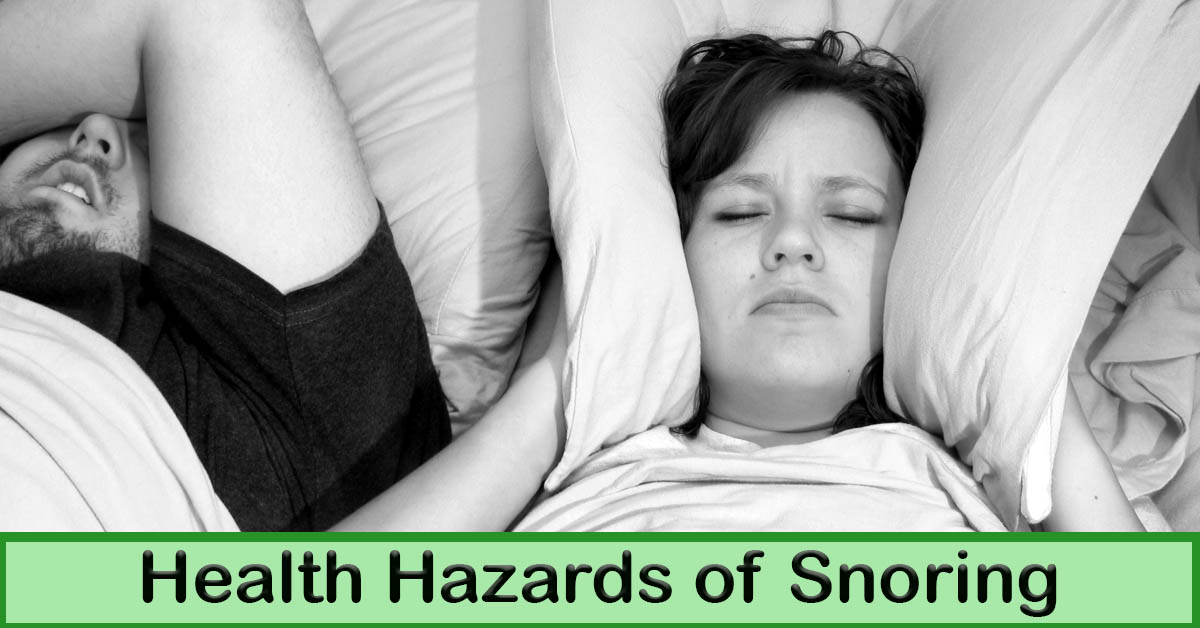
Snoring is a common sleep-related issue that can have various health hazards, both for the snorers and their sleep partners. Here are some potential health risks associated with snoring: Snoring often leads to fragmented and poor-quality sleep, both for the snorer and their bed partner. The frequent interruptions in breathing can cause the snorer to […]
Mild Cognitive Impairment (MCI) refers to a condition characterized by noticeable cognitive decline that is greater than what is considered typical for a person’s age but does not interfere significantly with their daily functioning. MCI is often considered an intermediate stage between normal aging and dementia, particularly Alzheimer’s disease. While MCI can affect memory, thinking, […]

Maintaining a healthy weight is important for seniors as it can enhance overall well-being and reduce the risk of age-related health issues. However, weight management can be challenging for older adults due to various factors. In this article, we will explore tips to help seniors with weight management, considering their unique needs and challenges. Consult […]

Sunburns are a common consequence of excessive sun exposure and can occur at any age. However, the effects of sunburn and sun exposure on the skin can vary depending on factors such as age, skin type, and overall health. In particular, seniors may face unique challenges and increased risks when it comes to sunburns and […]

Frailty in the elderly is a high-priority consideration with cardiovascular (CV) medicine.1,2 Muscle weakness is strongly associated with reduced exercise capacity and physical disability.3 Quadriceps isometric strength (QIS) is a strong predictor of exercise capacity in patients with coronary artery disease (CAD). After a heart attack, known as a myocardial infarction, the heart goes […]

Poor appetite is a common problem in older people living at home and in care homes, as well as hospital inpatients. It can contribute to weight loss and nutritional deficiencies, and associated poor healthcare outcomes, including increased mortality. Understanding the causes of reduced appetite will enable nurses and other clinical staff working in a range […]

As we age, our bodies may require medications to manage chronic conditions, alleviate symptoms, or prevent further health complications. However, the effectiveness of these medications heavily relies on one crucial factor: adherence. Medication adherence refers to taking medications as prescribed by healthcare professionals, in the right dose, at the right time, and for the specified […]

A poor night’s sleep can leave you feeling foggy and drowsy throughout the day. In recent research, sleep deprivation has also been associated with higher risks of weight gain and obesity. A group led by Drs. Erin Hanlon and Eve Van Cauter at the University of Chicago wanted to better understand how sleep and weight […]

A heart attack happens when the blood supply to the heart is cut off. Cells in the heart muscle that do not receive enough oxygen-carrying blood begin to die. Having high blood pressure or high blood cholesterol, smoking, having had a previous heart attack or stroke, or having diabetes can increase your chance of developing […]
